 +1 (417) 221-3749
 Live Chat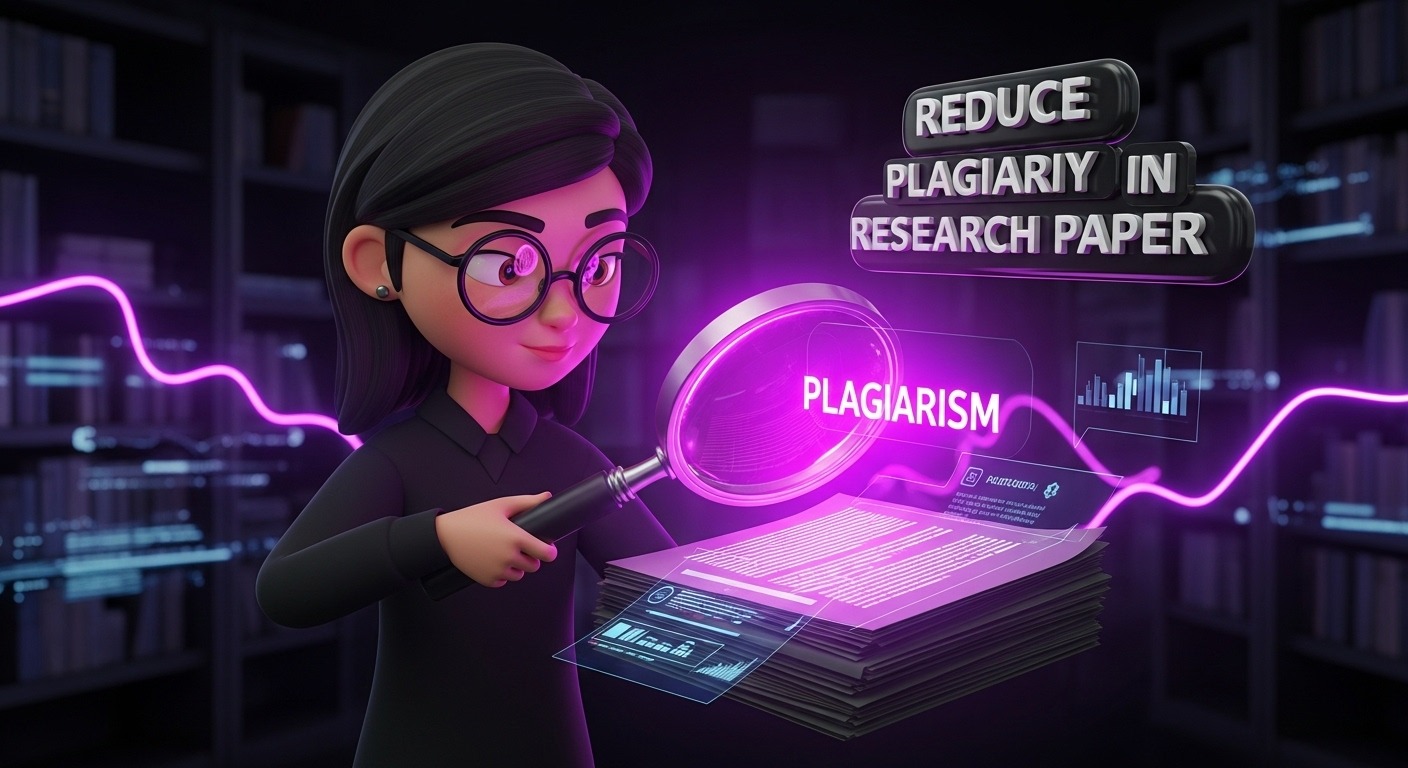
Academic writing depends on trust. Every idea, claim, and reference must reflect honest effort and clear attribution. Yet many research papers show high similarity scores, not because of dishonesty, but due to weak paraphrasing, unclear citation, or heavy reliance on source material.
Reducing plagiarism without changing meaning is not about replacing words. It is about understanding ideas deeply and expressing them in a fresh academic voice. This guide explains how to do that while keeping your argument strong, accurate, and aligned with academic integrity standards.
Throughout this process, platforms like Apex Essays often guide students on maintaining originality while meeting strict academic requirements, especially in complex research-heavy assignments.
What Counts as Plagiarism in Academic Research
Plagiarism goes beyond copying text. It includes several subtle forms that often go unnoticed during drafting.
Academic institutions define plagiarism as using someone else’s work without proper attribution. This includes direct copying, poor paraphrasing, and even reusing your own previous work without citation.
The Difference Between Accidental and Deliberate Plagiarism
Deliberate plagiarism involves knowingly copying or presenting someone else’s work as your own. Accidental plagiarism, however, often happens during rushed writing or weak note-taking.
For example, a student may rewrite a paragraph but keep the original structure and phrasing. Even without intent, this still counts as plagiarism because the source remains too visible.
Understanding this difference helps you focus on prevention strategies instead of just correction.
Why Paraphrasing Poorly Is Still Considered Plagiarism
Changing a few words or swapping synonyms does not create originality. This practice, often called mosaic plagiarism, keeps the original sentence structure intact.
Academic tools detect this pattern easily because the semantic structure remains the same. True paraphrasing requires rethinking the idea, not just rewriting the sentence.
Self-Plagiarism and Why It Matters in Research Writing
Reusing your previous assignments without citation also counts as plagiarism. This is known as self-plagiarism.
Many students assume they can reuse past content freely. However, academic standards require each submission to present new work unless properly referenced.
Why Reducing Plagiarism Without Altering Meaning Is a Skill, Not a Shortcut
Many students treat plagiarism reduction as a last-minute fix. In reality, it is a writing skill that develops with practice.
It involves balancing clarity, accuracy, and originality without distorting the source material.
Keeping Your Argument Intact While Rewording Sources
Your research paper should reflect your interpretation of the topic. Sources support your argument, not replace it.
When paraphrasing, focus on:
Understanding the core idea
Identifying key terms
Restating the concept in your own structure
This approach helps maintain semantic preservation while improving originality.
How Meaning Gets Lost During Heavy Editing
Over-editing often leads to confusion. When writers try too hard to avoid similarity, they may change key terms or simplify ideas incorrectly.
For example, replacing technical terminology with casual words can distort meaning. Instead, keep essential academic terms and change the surrounding structure.
Apex Essays often highlights this issue when reviewing research drafts, showing how clarity and originality must work together.
Paraphrasing Techniques That Preserve the Original Idea
Strong paraphrasing depends on structure, not just vocabulary.
Restructuring Sentences Without Substituting Random Synonyms
Start by reading the source carefully. Then close it and write the idea in your own words.
Instead of:
Replacing every word with a synonym
Keeping the same sentence flow
Try:
Changing sentence order
Breaking long sentences into shorter ones
Combining ideas differently
This creates natural variation while preserving meaning.
Changing Sentence Structure While Keeping the Logic Flow
Sentence structure plays a major role in originality. You can:
Switch from passive to active voice
Change clause order
Turn complex sentences into simple ones
These adjustments improve readability and reduce similarity.
When to Quote Directly Instead of Paraphrasing
Sometimes, paraphrasing is not the best option. Direct quotes work better when:
The wording is precise or unique
The author’s phrasing carries authority
The statement is widely recognized
Knowing when to quote versus paraphrase also depends on your citation style, students handling APA-heavy research can find structured support through research paper writing assistance offered by Apex Essays.
How Proper Citation Removes Plagiarism Without Rewording Anything
Citation is one of the simplest ways to avoid plagiarism. Yet many students apply it incorrectly.
Citing a Source Correctly Versus Just Adding a Reference
Adding a source to the reference list is not enough. You must also include in-text citations where the idea appears.
Correct citation shows:
Where the idea came from
How it connects to your argument
This practice builds credibility and supports academic integrity.
The Role of Footnotes and Endnotes in Research Integrity
Footnotes and endnotes provide additional context without disrupting the main text.
They help:
Clarify sources
Add supporting details
Maintain a clean structure
Different disciplines prefer different styles, so understanding these conventions is important.
Common Citation Mistakes That Still Flag as Plagiarism
Some common errors include:
Missing page numbers
Incorrect formatting
Citing only once for multiple borrowed ideas
Citation errors are especially common when switching between formats, for a side-by-side breakdown, the Apex Essays blog covers APA 7th vs MLA 9th edition differences in practical terms.
Using Plagiarism Checkers as a Revision Tool, Not a Final Verdict
Plagiarism tools help identify similarity, but they do not judge intent or quality.
What a High Similarity Score Actually Indicates
A high similarity score does not always mean plagiarism. It may include:
Common phrases
References
Properly quoted material
Understanding the report helps you decide what needs revision.
How to Interpret Plagiarism Reports Without Overreacting
Focus on highlighted sections. Ask:
Is this properly cited?
Does this need paraphrasing?
Is this common academic phrasing?
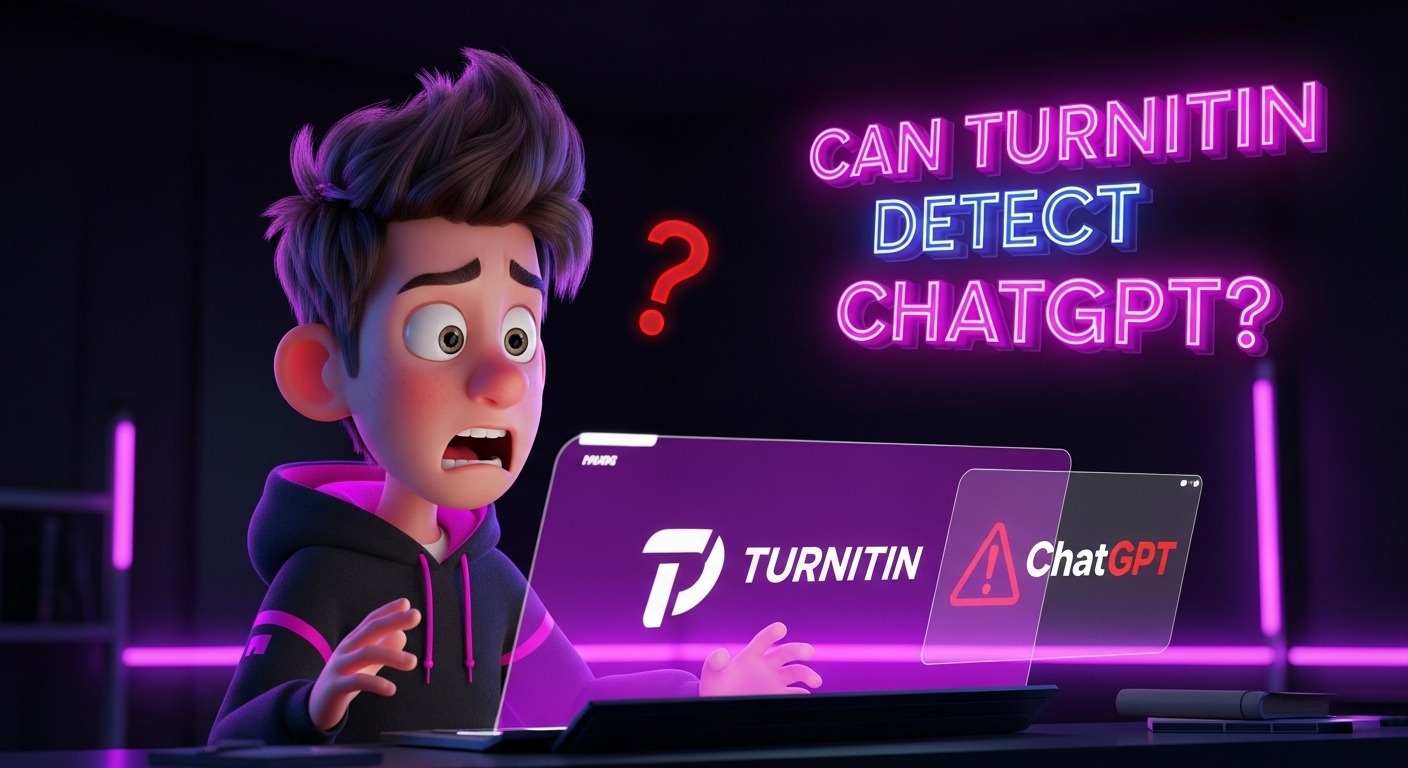
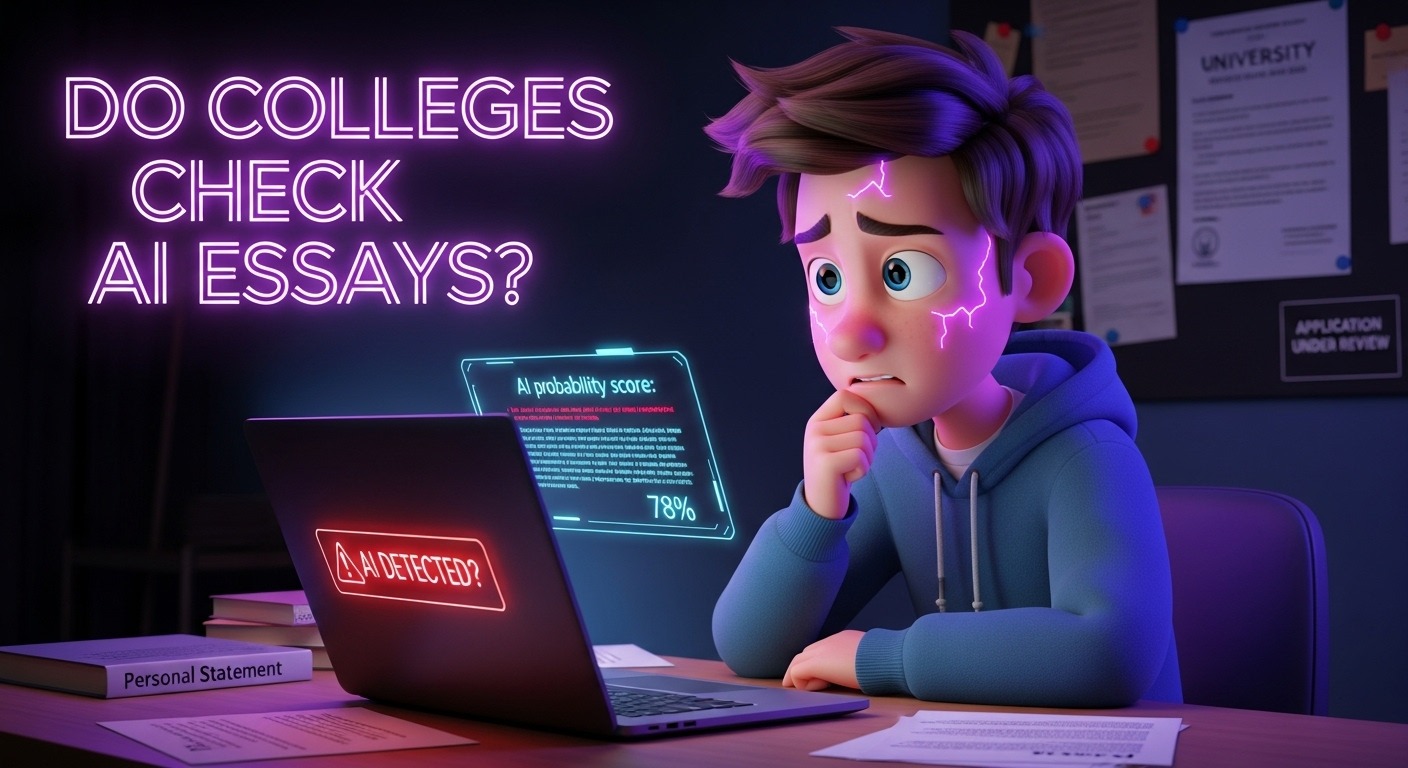
Researchers using AI-assisted drafting also face a related concern, the Apex Essays blog explains how Turnitin detects AI-generated writing and what it means for your submission.
Reducing Similarity Without Removing Substance
Avoid deleting content just to lower the score. Instead:
Improve paraphrasing
Adjust sentence structure
Strengthen your own analysis
This keeps your research meaningful while improving originality.
Summarizing Sources Without Distorting the Author's Position
Summarizing requires accuracy and clarity. It reduces length while keeping the main idea intact.
The Difference Between Summary and Analysis in Research
A summary presents the author’s idea. Analysis adds your interpretation.
Both are important, but they serve different roles in research writing.
How to Condense a Source Without Misrepresenting It
To summarize effectively:
Identify the main argument
Remove minor details
Keep key terms intact
Avoid adding your opinion during the summary. That comes later in the analysis.
Integrating Multiple Sources Into One Coherent Argument
Strong research combines ideas from different sources.
Instead of discussing each source separately:
Compare viewpoints
Highlight patterns
Connect evidence to your thesis
This approach improves flow and reduces reliance on any single source.
The Role of Original Thinking in Reducing Plagiarism Risk
Original thinking reduces dependence on source material.
Why More of Your Own Voice Means Less Borrowed Text
When your paper includes your own analysis, you naturally use fewer borrowed phrases.
Focus on:
Interpreting evidence
Explaining connections
Presenting your viewpoint
This strengthens both originality and clarity.
Building Arguments Around Evidence Instead of Around Quotations
Avoid filling your paper with long quotes. Instead:
Use evidence to support your ideas
Keep quotations short and purposeful
This shifts the focus from sources to your argument.
How Literature Reviews Help You Engage Rather Than Copy
A literature review teaches you how to engage with research instead of copying it.
For students who find it hard to develop a clear position within existing studies, Apex Essays offers a literature review writing service that models proper source engagement.
Discipline-Specific Approaches to Paraphrasing and Attribution
Different academic fields follow different writing rules.
How Citation Norms Differ Across Academic Fields
Humanities often use MLA style, while social sciences prefer APA. STEM fields may use numbered citation systems.
Each style affects:
Citation format
Writing tone
Source integration
Understanding these differences improves accuracy.
Why Scientific Writing Has Different Plagiarism Thresholds
Scientific writing values precision. Technical terms often cannot be changed.
This means:
Paraphrasing focuses on structure, not terminology
Proper citation becomes even more important
Handling Data, Tables, and Figures Without Copying
Data also requires attribution. When using tables or figures:
Cite the source
Recreate visuals when possible
Explain the data in your own words
This maintains originality while respecting source ownership.
Practical Steps Before Submitting Your Research Paper
Final checks help catch issues early.
A Pre-Submission Review Process That Catches Plagiarism Early
Before submission:
Review all citations
Check paraphrased sections
Run a plagiarism tool
This ensures consistency and accuracy.
Peer Review as a Plagiarism-Prevention Layer
A second reader can identify unclear sections or weak paraphrasing.
Peer feedback often highlights issues you may miss.
When Professional Editing Helps Rather Than Hurts Originality
Professional editing focuses on clarity, structure, and citation accuracy.
Researchers who need a structural review before submission can work with Apex Essays through its custom essay writing service, which focuses on clarity and proper attribution rather than ghostwriting.
Final Thoughts
Reducing plagiarism without changing meaning requires more than technical fixes. It demands a clear understanding of sources, strong writing skills, and careful attention to detail.
By improving paraphrasing, using accurate citations, and strengthening your own voice, you create research that is both original and academically sound.
Writers who follow these principles produce work that meets academic standards and communicates ideas with clarity and confidence. Platforms like Apex Essays continue to support this process by guiding students toward ethical, high-quality research writing.